alertSubscribe

"Reducing Rainwater in the Sanitary Sewer System-Chesapeake"
High Priority Inflow and Infiltration Reduction Program (GN020300)


Webpage Reviewed: March 10, 2026


HRSD is undertaking a project to identify, design, and construct important improvements in your community to help reduce the amount of rainwater that gets into the sanitary sewer system through inflow and infiltration. This project will include rehabilitating and replacing damaged public sanitary sewer pipes, service lateral connections, and manholes along with a limited number of privately-owned sanitary sewer systems as part of a voluntary private inflow and infiltration program. The result of this work will help reduce the occurrence of sanitary sewer overflows (SSOs) caused by rainfall events, protecting public health and our region’s waterways.

HRSD will assess the sanitary sewer systems in the project areas identified in the Regional Wet Weather Management Plan (RWWMP), located in Chesapeake, James City County, Newport News, Norfolk, Portsmouth, Suffolk, Williamsburg, and York County. Working in collaboration with Locality Partners and private landowners, HRSD will identify and reduce the volume of SSOs through the cost-effective reduction of Inflow and Infiltration. This Program is part of HRSD’s Consent Decree with the United States Environmental Protection Agency (EPA).

Early work includes collecting public and privately-owned sanitary sewer system condition assessment data, evaluating rainfall and sewer flows, and reviewing the data to determine where rainwater and groundwater may be entering these sanitary sewer systems and contributing to sewer overflows. The data will also be used to identify and prioritize potential future inflow and infiltration reduction project work areas and implementation schedules. Data collection activities may involve sewer flow monitoring, smoke testing of the sanitary sewer systems, closed-circuit television (CCTV) inspections of public and private sewers and service laterals, dye testing, and manhole inspections. Once all data is collected, the project team will determine which repairs will be more cost-effective than transporting and treating the associated rainwater and groundwater. The project team will then design and construct the recommended improvements. When complete, these projects will reduce the volume of SSOs into our local waterways.

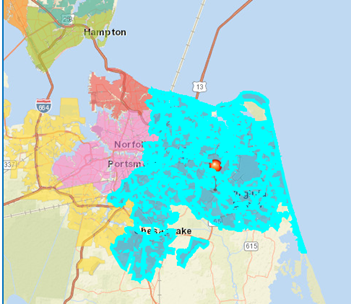
Please use the map below to view work that is currently occurring in your area.


Notices


October 2025 - Smoke Testing Notice


Project Documents


October 31, 2025 - HPIIRP Project Package #1 (Programmatic Activities)

October 31, 2025 - HPIIRP Comprehensive Agreement

September 23, 2025 - HPIIRP Comprehensive Agreement Resolution


alertSubscribe

"Reducing Rainwater in the Sanitary Sewer System-Suffolk"
High Priority Inflow and Infiltration Reduction Program (GN020300)


Webpage Reviewed: March 10, 2026


HRSD is undertaking a project to identify, design, and construct important improvements in your community to help reduce the amount of rainwater that gets into the sanitary sewer system through inflow and infiltration. This project will include rehabilitating and replacing damaged public sanitary sewer pipes, service lateral connections, and manholes along with a limited number of privately-owned sanitary sewer systems as part of a voluntary private inflow and infiltration program. The result of this work will help reduce the occurrence of sanitary sewer overflows (SSOs) caused by rainfall events, protecting public health and our region’s waterways.

HRSD will assess the sanitary sewer systems in the project areas identified in the Regional Wet Weather Management Plan (RWWMP), located in Chesapeake, James City County, Newport News, Norfolk, Portsmouth, Suffolk, Williamsburg, and York County. Working in collaboration with Locality Partners and private landowners, HRSD will identify and reduce the volume of SSOs through the cost-effective reduction of Inflow and Infiltration. This Program is part of HRSD’s Consent Decree with the United States Environmental Protection Agency (EPA).

Early work includes collecting public and privately-owned sanitary sewer system condition assessment data, evaluating rainfall and sewer flows, and reviewing the data to determine where rainwater and groundwater may be entering these sanitary sewer systems and contributing to sewer overflows. The data will also be used to identify and prioritize potential future inflow and infiltration reduction project work areas and implementation schedules. Data collection activities may involve sewer flow monitoring, smoke testing of the sanitary sewer systems, closed-circuit television (CCTV) inspections of public and private sewers and service laterals, dye testing, and manhole inspections. Once all data is collected, the project team will determine which repairs will be more cost-effective than transporting and treating the associated rainwater and groundwater. The project team will then design and construct the recommended improvements. When complete, these projects will reduce the volume of SSOs into our local waterways.

Please use the map below to view work that is currently occurring in your area.  


Notices


October 2025 - Smoke Testing Notice


Project Documents


October 31, 2025 - HPIIRP Project Package #1 (Programmatic Activities)

October 31, 2025 - HPIIRP Comprehensive Agreement

September 23, 2025 - HPIIRP Comprehensive Agreement Resolution


alertSubscribe

"Reducing Rainwater in the Sanitary Sewer System-Portsmouth"
High Priority Inflow and Infiltration Reduction Program (GN020300)


Webpage Reviewed: March 10, 2026


HRSD is undertaking a project to identify, design, and construct important improvements in your community to help reduce the amount of rainwater that gets into the sanitary sewer system through inflow and infiltration. This project will include rehabilitating and replacing damaged public sanitary sewer pipes, service lateral connections, and manholes along with a limited number of privately-owned sanitary sewer systems as part of a voluntary private inflow and infiltration program. The result of this work will help reduce the occurrence of sanitary sewer overflows (SSOs) caused by rainfall events, protecting public health and our region’s waterways.

HRSD will assess the sanitary sewer systems in the project areas identified in the Regional Wet Weather Management Plan (RWWMP), located in Chesapeake, James City County, Newport News, Norfolk, Portsmouth, Suffolk, Williamsburg, and York County. Working in collaboration with Locality Partners and private landowners, HRSD will identify and reduce the volume of SSOs through the cost-effective reduction of Inflow and Infiltration. This Program is part of HRSD’s Consent Decree with the United States Environmental Protection Agency (EPA).

Early work includes collecting public and privately-owned sanitary sewer system condition assessment data, evaluating rainfall and sewer flows, and reviewing the data to determine where rainwater and groundwater may be entering these sanitary sewer systems and contributing to sewer overflows. The data will also be used to identify and prioritize potential future inflow and infiltration reduction project work areas and implementation schedules. Data collection activities may involve sewer flow monitoring, smoke testing of the sanitary sewer systems, closed-circuit television (CCTV) inspections of public and private sewers and service laterals, dye testing, and manhole inspections. Once all data is collected, the project team will determine which repairs will be more cost-effective than transporting and treating the associated rainwater and groundwater. The project team will then design and construct the recommended improvements. When complete, these projects will reduce the volume of SSOs into our local waterways.

Please use the map below to view work that is currently occurring in your area.  


Notices


June 2025 - Smoke Testing Notice


Project Documents


October 31, 2025 - HPIIRP Project Package #1 (Programmatic Activities)

October 31, 2025 - HPIIRP Comprehensive Agreement

September 23, 2025 - HPIIRP Comprehensive Agreement Resolution


alertSubscribe

"Reducing Rainwater in the Sanitary Sewer System-Norfolk"
High Priority Inflow and Infiltration Reduction Program (GN020300)


Webpage Reviewed: March 2, 2026


HRSD is undertaking a project to identify, design, and construct important improvements in your community to help reduce the amount of rainwater that gets into the sanitary sewer system through inflow and infiltration. This project will include rehabilitating and replacing damaged sanitary sewer pipes, service lateral connections, and manholes. The result of this work will help reduce the occurrence of sanitary sewer overflows (SSOs) caused by rainfall events, protecting public health and our region’s waterways.

HRSD will assess the sanitary sewer systems in the project areas identified in the Regional Wet Weather Management Plan (RWWMP), located in Chesapeake, James City County, Newport News, Norfolk, Portsmouth, Suffolk, Williamsburg, and York County. Working in collaboration with Locality Partners, HRSD will identify and reduce the volume of SSOs through the cost-effective reduction of Inflow and Infiltration. This Program is part of HRSD’s Consent Decree with the United States Environmental Protection Agency (EPA).

Early work includes collecting data, evaluating the sewer flow, and reviewing the data to identify and prioritize potential future project work areas and schedules. Data collection activities may involve sewer flow monitoring, smoke testing of the sanitary sewer system, closed-circuit television (CCTV) inspections of public and private sewer and service lateral, dye testing, and manhole inspections. Once all data is collected, evaluated, and prioritized, the project team will begin design, procurement, and construction activities if it is determined that construction is needed. When complete, these projects will reduce the volume of SSOs into our local waterways.

Please use the map below to view work that is currently occurring in your area:


Notices


Project Documents


October 31, 2025 - HPIIRP Project Package #1 (Programmatic Activities)

October 31, 2025 - HPIIRP Comprehensive Agreement

September 23, 2025 - HPIIRP Comprehensive Agreement Resolution


alertSubscribe

Newtown Road Sanitary Sewer Rehabilitation
Poplar Hall Davis Corner Trunk 24-inch Gravity Sewer Improvements
HRSD Capital Improvement Program Project (CE011600)


Webpage Reviewed: March 2, 2026


HRSD is undertaking a project to rehabilitate sanitary sewer pipes and manholes along Newtown Road from HRSD’s pump station located at 107 S. Newtown Road to the intersection of Elam Avenue and Newtown Road. This effort will increase the sewer system lifespan, decrease the amount of rainwater that enters into the sanitary sewer system via inflow and infiltration, and decrease the risk of sewer system failures.

Reducing inflow and infiltration of rainwater into the sanitary sewer system should help reduce the risk of sanitary sewer overflows (SSOs) during heavy rain events such as Nor’easters or hurricanes. The Cured in Place Pipe (CIPP) system is anticipated to be used accomplish this task. CIPP is one of several trenchless methods used to rehabilitate existing pipelines. Little to no digging is involved in this process, making it potentially more cost-effective and less disruptive than traditional “dig and replace” pipe repair methods. CIPP is a jointless, seamless, “pipe-within-a-pipe” process.

The sanitary sewer must first be prepared for lining; this includes cleaning the pipeline, removing roots, sediment, and grease from the sewer. The sewer pipelines and manholes are inspected using closed circuit television (CCTV). Like many types of pipeline rehabilitation, CIPP requires a bypass pumping system to be setup during the rehabilitation process. This bypass system re-routes sewer flow around the section of pipe being rehabilitated and ensures your sewer service is not interrupted.

The lining process involves the insertion of a resin-saturated flexible lining into an existing sewer pipeline using the manholes located within the street. The lining looks like a very large sock or flexible tube. Either air or water, under pressure, is forced into the tube, which turns the lining inside out and causes it to expand to fit tightly against the existing sewer walls. Hot air or water is circulated throughout the tube to harden the resin. When the curing process is completed (4-8 hours), a new “pipe-within-a-pipe” has been created, eliminating cracks and holes that allow rainwater and roots to enter the sewer and cause operational problems such as stoppages and overflows.

To see pictures of what the CIPP and bypass system look like, please see the CIPP & Bypass System Fact Sheets.

Project Cost: Approximately $5 Million


Notices

alertSubscribe

"South Norfolk Sewer Pipe & Manhole Improvements
South Norfolk Area Gravity Sewer Improvements Phase 2

HRSD Capital Improvement Program Project (AT013110)


Webpage Reviewed: March 2, 2026


HRSD is undertaking a project to rehabilitate and/or replace portions of the sanitary sewer system in the South Norfolk area of Chesapeake and Norfolk. Please see the Roads Affected section of this webpage for specific roads that will be impacted. This effort will improve performance and reliability within HRSD’s sanitary sewer system.

Most of the work will involve Cured-In-Place-Pipe (CIPP) rehabilitation of the existing sewer pipe and manholes. Little to no digging is involved in this process, making it potentially more cost-effective and less disruptive than traditional "dig and replace" pipe repair methods. CIPP is a jointless, seamless, "pipe-within-a-pipe” process. A bypass piping system will be in place to ensure that sewer service is not interrupted.

The remainder of the new sewer pipe and manholes will be installed in a trench, meaning pavement cutting and excavation will be necessary. Pavement restoration of the roadways affected by installation of the sewer pipe will occur once the sewer installation is complete. The existing sewer pipe will not be needed once the new sewer pipe is installed; it will be abandoned in place without disturbing the ground above.

To see which sections of pipe will be rehabilitated and which will be newly installed, please see the maps in the Project map section of this webpage.

What happens during the CIPP process?

The sewer must first be prepared for lining; this includes cleaning the line, removing roots, sediment and grease from the sewer (public and/or private lines) and cutting out intruding connections. The sewer lines and manholes are inspected using closed circuit television (CCTV). Like many types of pipe renewal/replacement, CIPP requires bypass pumping, which re-routes sewer flow around the section of pipe being rehabilitated. This ensures your sewer service is not interrupted. The lining process involves the insertion of a resin-saturated flexible lining into an existing sewer pipe using the manholes located within the street. The lining looks like a very large sock or flexible tube. Either air or water, under pressure, is forced into the tube, which turns the lining inside out and causes it to expand to fit tightly against the existing sewer walls. Hot air or water is circulated throughout the tube to harden the resin. When the curing process is completed (4-8 hours), a new “pipe-within-a-pipe” has been created, eliminating cracks and holes that allow rainwater and roots to enter the sewer and cause operational problems such as stoppages and overflows.

Why is bypass piping and pumping needed?

The sewer system carries wastewater from homes and businesses through pipes to a treatment plant. When sewage pump stations or pipelines require upgrades or replacement, a temporary bypass pumping solution is needed to maintain your sewer service while the existing service is being worked on. These bypass systems ensure that the sewer system remains operational by using a temporary line and pump setup to continue conveying flows away.

How does bypass piping and pumping work?

Because the flow of sewage cannot simply be diverted and service cannot be stopped, it must be “bypassed”—or temporarily pumped around the pipe being repaired or replaced. To do this, pumps capable of pumping all of the wastewater from homes and businesses are brought in, as well as pipes that collects and conveys the flow, on site to continue sewer service.

To see pictures of what the CIPP and bypass system look like, please see the CIPP & Bypass System Fact Sheet.


Project Cost: $9.7 Million


Notices


December 2025 - Construction Notice #10

November 2025 - Construction Notice #9

October 2025 - Construction Notice #8

October 2025 - Construction Notice #7

October 2025 - Construction Notice #6

October 2025 - Construction Notice #5

September 2025 - Construction Notice #4

July 2025 - Construction Notice #3

May 2025 - Construction Notice #2

April 2025 - Construction Notice #1

February 2025 - Notice to Neighbors


alertSubscribe

"Virginia Initiative Plant Tertiary Treatment Facility"
VIP SWIFT Tertiary Preliminary Engineering
HRSD Capital Improvement Program Project (GN016390)


Webpage Reviewed: March 2, 2026


HRSD, your regional wastewater treatment utility, is implementing the Sustainable Water Initiative for Tomorrow (SWIFT) Program. This Program will help reverse declining groundwater levels, significantly reduce the amount of nutrients such as nitrogen and phosphorus entering the Chesapeake Bay, and may reduce saltwater intrusion and land subsidence, thereby helping to ensure HRSD’s ability to protect public health and the environment in alignment with HRSD’s Promise and Vision.

The Virginia Initiative Plant (VIP) SWIFT Full Scale Implementation Program will be implemented in multiple phases and commonly referred to as the VIP SWIFT Tertiary Projects. The main purpose of the upgrade is to meet the 2032 James River total phosphorus reduction requirements, and it will be operational within the calendar year 2031. Additional upgrades could include VIP SWIFT Advanced Water Treatment and managed aquifer recharge implementation if future regulatory drivers necessitate further action. VIP SWIFT Tertiary Projects will be implemented using three Capital Improvement Projects (CIPs) through four project delivery stages: study, preliminary engineering, final design, and construction. The VIP suite of projects will include the Tertiary Facility Site work and the Tertiary Treatment Facility.      

This tertiary step is necessary to help meet regulatory requirements for nutrient reduction set forth by the EPA.

For more information about the integrated plan, please visit https://www.hrsd.com/epa-wet-weather-consent-decree-public-presentations.

Project Cost (Site Works): Approximately $32,000,000

Project Cost (Tertiary Treatment Facility): Approximately $324,000,000


Notices


April 11, 2025 - Media Advisory


alertSubscribe

Wilroy Pressure Reducing Station and Offline Storage Facility
Wilroy Pressure Reducing Station and Off-line Storage Facility
HRSD Capital Improvement Program Project (NP014000)


Webpage Reviewed: March 20, 2026


HRSD is undertaking a project to construct a pressure reducing pumping station (PRS) and an offline storage facility. The new facility will be located on HRSD property at 1941 Wilroy Road in Suffolk and is designed to relieve pressures to the wastewater sewer system during wet weather events. What this means is during wet weather events that may cause the sanitary sewer system to be inundated with rainwater, the excess flow will be diverted from the sewer pipes to the storage facility. It will be held at the storage facility temporarily. Once the pressure on the sanitary sewer system has returned to normal, the sewage will be released from the storage facility and will flow back into the sewer pipes, where it will then continue on to the treatment plant for treatment. This will help reduce the occurrence of sanitary sewer overflows, which are improvements that are mandated by the Environmental Protection Agency (EPA). The facility will improve system operations, increase flow capacity, and provide reliable sanitary sewer infrastructure for areas of Suffolk and Isle of Wight County.

  • The storage facility will have a volume of 3 million gallons.
  • The storage facility will be fully enclosed with a carbon scrubbing odor control system.
  • The existing HRSD sewer pipe along Wilroy Road will be extended from QVC Drive to the PRS to connect the PRS to the sewer system (please see the Project Map).
  • The City’s water main pipe along Wilroy Road, directly across from the project site, will be extended by 400-feet.

Project Cost: Approximately $52,250,000


alertSubscribe

King William Central Crossing Pump Station Rehabilitation
King William Central Crossing Pump Station Rehabilitation (MP015300) 


Webpage Reviewed: April 2, 2026


HRSD, your regional wastewater treatment utility, is undertaking a project to rehabilitate the King William Central Crossing Pump Station located at 123 Central Crossing Terrace, that is nearing the end of its useful life. Rehabilitating the existing pump station with new modernized infrastructure will improve the systems performance and optimize HRSD’s ability to protect public health and the environment for decades to come.

Project Cost: Approximately $2.3 Million


alertSubscribe

"Lasalle Avenue Sewer Replacement"
Norview Estabrook Division I 18-inch Force Main Replacement Phase III
HRSD Capital Improvement Program Projects (VP016700)


Webpage Reviewed: March 2, 2026


HRSD is undertaking a project to replace the sanitary sewer pipeline along Versailles Avenue, Lafayette Boulevard, Fontainebleau Crescent, Lasalle Avenue, Tidewater Drive, and Pershing Avenue. This effort will improve performance and reliability within HRSD’s sanitary sewer system. The new sewer pipe will be installed in a trench, meaning pavement cutting and excavation will be necessary to install the new pipe. Pavement restoration of the roadways affected by installation of the sewer pipe will occur once the sewer installation is complete. The existing sewer pipe will not be needed once the new sewer pipe is installed; it will be abandoned in place without disturbing the ground above.

Project Cost: approximately $4 million